
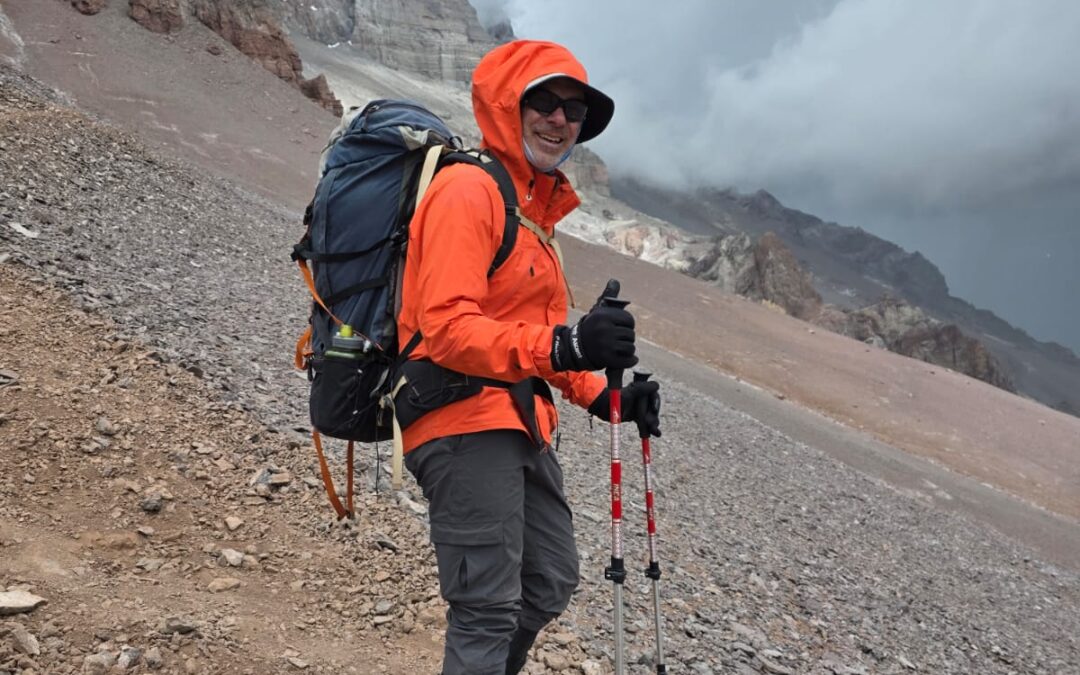
Great cultures don’t happen in a boardroom; they’re built the way mountaineers build stamina—through deliberate training, smart checkpoints, and relentless small wins. We’ve all seen them: the glossy posters in the boardroom, proclaiming values like “Innovation” or “Teamwork”. They look great, don’t they? But here’s the uncomfortable truth: a culture that lives only on a wall is a culture that crumbles the moment real work begins. When the gradient steepens, when uncertainty hits, you don’t rise to your aspirations. You fall to your training. Think of your company culture not as a static declaration, but as an expedition. It’s a dynamic, living system, constantly shaped by the terrain you’re on and the way your team navigates it. Just like mountaineers build stamina and resilience, great cultures are forged through deliberate practice, smart checkpoints, and relentless small wins. It’s about turning abstract values into tangible, repeatable behaviours. So, how do you train for this expedition? How do you ensure your team doesn’t just survive the storm but thrives in it?
1. Chart Your Critical Moves:
The Route Plan
Forget the 20-point wish list. That’s a recipe for overwhelm, not action. Instead, clarify the few, high-leverage behaviours that matter most for performance in your unique context. At Ridgeline, we call these “critical moves.” These aren’t vague ideals; they’re practical, observable actions. Think: “Close the loop on decisions within 48 hours” or “Start every meeting by stating what truly matters.” These are the foundational steps that build momentum and trust.
2. Design Your Trail Markers: Celebrating Progress
No climber keeps going if they can’t see how far they’ve come. Your team needs visible signs of progress, small victories that reinforce the desired behaviours. Build lightweight rituals that act as your trail markers: weekly “win scans” where teams share successes tied to critical moves, short retro huddles to learn and adapt, or peer recognition systems that reward how people work, not just what they achieve. Celebrate the effort, and the outcomes will follow.
3. Equip Your Guides: Leadership as Muscle Memory
Culture, ultimately, rises and falls with the capability of your leaders. Your managers aren’t just administrators; they are the expedition guides. They need simple, repeatable plays for giving feedback, coaching for growth, and providing clarity when pressure mounts. Leadership development isn’t a once-a-year off-site; it’s the daily practice of building muscle memory. It’s about equipping them to decode behaviour and design environments where people can perform their best.
4. Train for the Terrain: Navigating Hybrid Peaks
Hybrid work isn’t a temporary detour; it’s a new mountain range with its own unique weather system. Acknowledge it. Make your norms explicit: “Responsiveness windows for urgent communication.” “Dedicated deep-work blocks, “”Clear decision rights for remote teams.” A culture that intentionally specifies “how we work when we’re not together” removes friction, reduces cynicism, and builds a more cohesive, adaptable team.
5. Measure the Right Altitude: Performance, Not Just Sentiment
Don’t just survey sentiment. While important, feelings alone won’t tell you if your culture is truly effective. Instead, track behaviour adoption: What percentage of teams are consistently closing loops? What’s the cycle time for key projects?
Where are you seeing customer friction, and how does it connect to internal behaviours? Culture isn’t a fluffy concept; it’s a strategic asset that must show up in performance metrics. It’s the engine that drives your expedition forward.
The adventure metaphor isn’t just a nice story; it’s a profound truth. Business is an expedition: uncertain weather, limited oxygen, high stakes. When the storm comes, you don’t rise to your aspirations; you fall to your training. The culture you build today is the training that will see you through tomorrow’s challenges. Ready to turn your values into daily behaviours that move the needle?
Book a Ridgeline Chemistry Coffee.
Let’s chart your unique cultural expedition and build a playbook that ensures your team is not just surviving, but thriving, at every altitude. Your next summit awaits.