

In the South African business landscape, we are currently navigating a uniquely noisy macro picture. From the accelerating shift toward AI-integrated workflows to the stop-start nature of global trade and local economic pressures, the external environment is amplifying anxiety across every level of the organisation.
Research published in Harvard Business Review argues that in times of such volatility, people don’t need spin; they need clarity, commitment, and calm from their leaders [1]. However, achieving this state isn’t a byproduct of hope; it is the result of deliberate leadership development and precision facilitation.
At Ridgeline Consulting, we view business as an expedition. When the weather turns at high altitude, successful leaders don’t deny the storm—they establish a safe base camp, reset the plan, and keep the rope team moving. In 2026, the most effective “base camp” for any leadership team is a well-designed executive offsite.
The Strategy-Execution Gap: Why Alignment Fails
Many South African executives treat the annual strategy session as a box-ticking exercise—a few days at a luxury lodge where “vision” is discussed but “execution” is left to chance. This disconnect is where momentum dies. Done poorly, an offsite is just slides in nicer scenery. Done well, it is a performance infrastructure.
True team alignment requires more than a shared destination; it requires a shared understanding of the climb. A professionally facilitated offsite is the catalyst for closing this gap, providing the “clear air” needed to move beyond performative busyness and focus on high-impact strategy execution.
5 Behavioural Moves to Design Offsites That Pay for Themselves
To transform your next gathering from a “meeting” into a high-performance engine, consider these five practical, behavioural strategies:
-
Define the Summit (One Outcome That Matters)
Start with a single outcome that matters commercially: agree on the three strategic bets for the next 12 months, complete with owners and success metrics. Everything else is just scenery. Share pre-reads and decision memo templates in advance so the conversation starts “above the snowline”. This is leadership development in action—teaching teams to focus on what moves the needle.
-
Shorten the Rope (Squad-Based Problem Solving)
Anxious organisations go quiet; healthy ones institutionalise voice. Split your leadership into small, cross-functional squads to work on live problems: pricing moves, product trade-offs, or customer friction points. Replace performative updates with 90-minute “decision sprints”. The immediate win is clarity; the longer win is the trust that underpins team alignment.
-
Scenario Drills Over Slide Decks
When confidence dips, teams default to over-analysis. Counter this by running “pre-mortems” (“It’s a year from now and we missed—why?”), competitor role-plays, and customer journey simulations. These exercises reveal the “crevasses” in your assumptions while you are still on safe ground. Expert facilitation ensures these sessions remain constructive and focused on strategy execution.
-
Commitments, Not Concepts (The 30-60-90 Rule)
Offsites fail when they end with ideas. Finish every session with a 30-60-90-day plan, named owners, and booked review cadences. Publish decisions the next business day and track “loop-close” metrics. This keeps the stakes high and ensures that the energy generated at the offsite translates into measurable results back at the office floor.
-
Make it Human (Protect Energy, Not Just Time)
Time is booked in diaries; energy is leaked through context switching and after-hours anxiety. Include rituals that reset connection: shared meals with purpose prompts, short walks for paired debates, and regular energy checks. Teams that feel safe argue better—and execute faster. This is the bedrock of psychological safety and sustainable performance.
How to Know Your Offsite Worked
Don’t wait for the annual engagement survey. Watch for these fast-moving behavioural indicators:
- Cycle-Time Compression: Approvals move faster because decision rights are clear.
- Constructive Dissent: People feel safe enough to challenge ideas in the room, not in the corridors.
- Cleaner Hand-offs: Fewer “dropped balls” between business units.
- Pulse Score Uptick: A steady rise in scores for “I know what matters this week” and “I feel safe to raise concerns.”
What to Do Next
Culture shifts through repeated behaviours, not through posters. The most effective way to trigger this shift is through expert facilitation that turns strategy into a practical playbook.
If you’re ready to move beyond the superficial and build a leadership team designed to win at altitude, let’s talk.
We facilitate focused leadership & culture sprints and high-impact executive offsites that equip your managers with the scripts and cadences to lead with clarity, commitment, and calm.
Book Erik to facilitate your next Executive Alignment Offsite.
Let’s build resilient performance—at altitude—without losing people on the climb.
References
[1] Harvard Business Review: Leading in Times of Trauma (Referenced for the framework of clarity, commitment, and calm).

When Fear Looks for a Target
South Africa knows this feeling. The WhatsApp warnings start first. Which roads to avoid. Which shops are closing early. Which areas might flare up. Whether staff will be able to get to work. Whether this will be “another July 2021”. Reports of possible unrest linked...
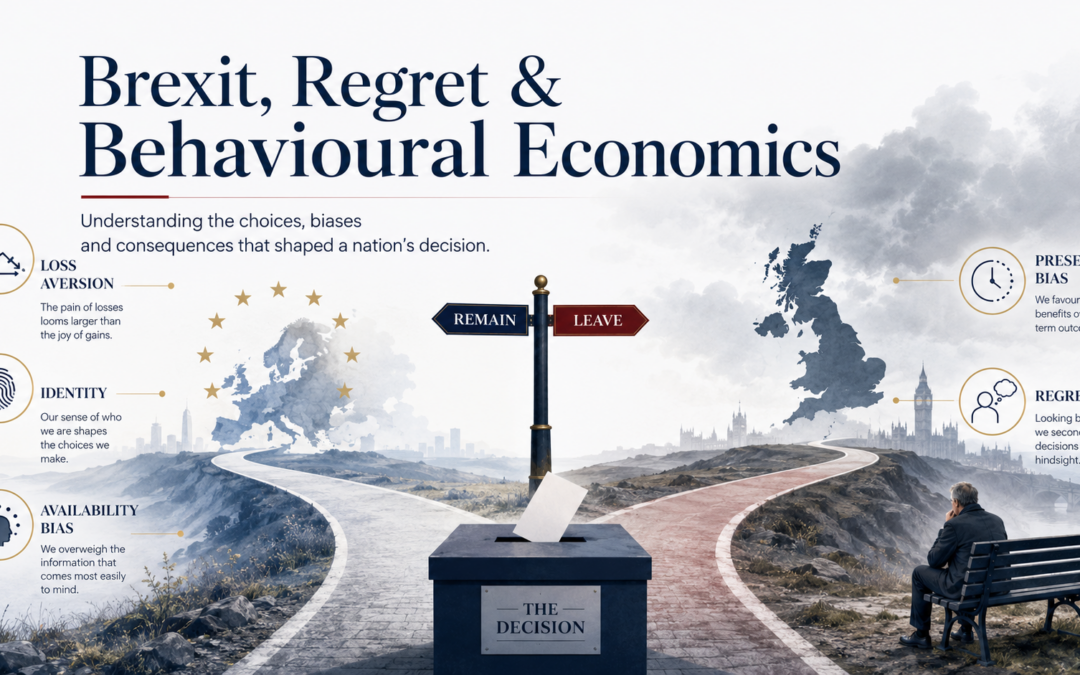
Brexit, Regret and the Behavioural Economics of Bad Decisions
The resignation of yet another British Prime Minister is not only a political story. It is also a behavioural one. Brexit has become one of the most powerful modern case studies in how people make high-stakes decisions under emotion, uncertainty and identity pressure....

Cutting Through the Noise: The Ridgeline Approach to Leadership Communication
Everyone knows the sounds of their incoming communication. Emails landing in the inbox, chat pings online, and WhatsApp beeps all contribute to cognitive overload. The traditional approach to leadership communication often feels like shouting into a hurricane. Louder...

A Laugh in the Spotlight: Some crazy moments as an MC
There’s a certain art to being an MC—balancing professionalism with personality, steering the programme while keeping the mood light. Over the years, I’ve found myself in all sorts of hilarious situations at the podium, but a few experiences stand out as my all-time...

Leading Through Anxiety: 5 Moves to Lift Morale (Without Sugar-Coating Reality)
South African teams are currently navigating a noisy macro picture. From headlines about AI replacing jobs to public cost-cutting and stop-start global trade, the external environment is amplifying anxiety on the office floor. Research published in Harvard Business...

Purpose Sets the North Star; Strategy Redraws the Route
Leaders often find themselves at a crossroads: should they meticulously refine their strategy, or should they take a step back to clarify their fundamental purpose? At Ridgeline Consulting, we firmly believe that purpose sets the non-negotiables; strategy is the route...
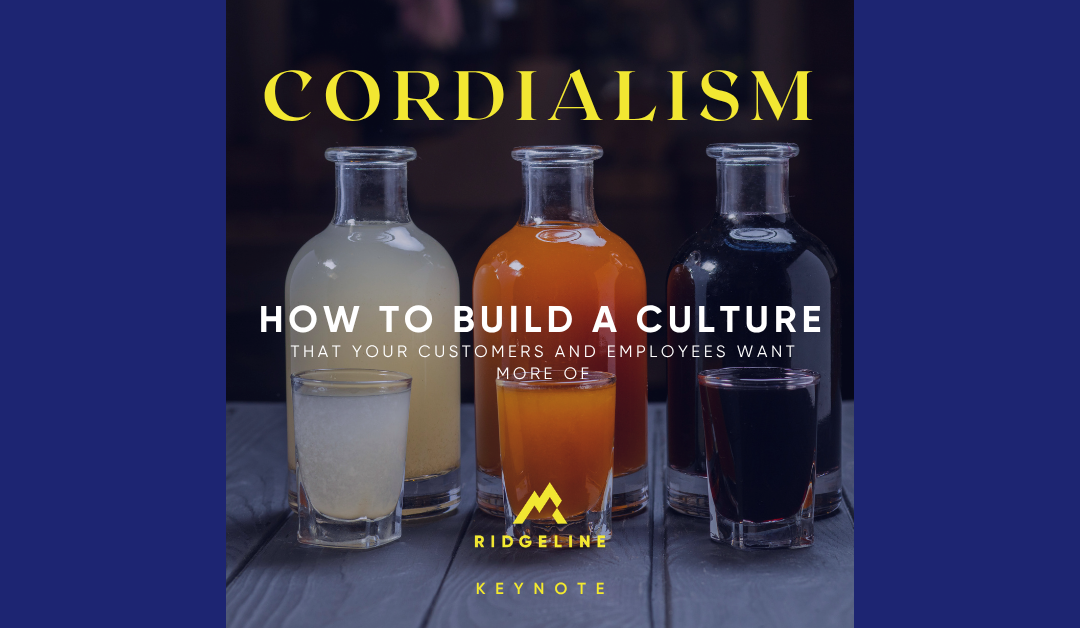
Preserving Your Company’s Unique Flavour: The Art of Cordialism
Companies often find themselves in a peculiar predicament: as they expand, merge, or undergo significant transformations, they risk losing their distinctive essence—their unique 'flavour'. This phenomenon, which Ridgeline Consulting aptly terms 'Cordialism', draws a...

From Quiet Quitting to Committed Teams: A Leader’s Guide to Building a Culture of Control and Voice
Quiet quitting is a design problem, not a motivation problem. Learn how to build a culture of control, voice, and clarity that fosters commitment and drives performance. A practical playbook for leaders. When your best people start doing the bare minimum, it’s easy to...
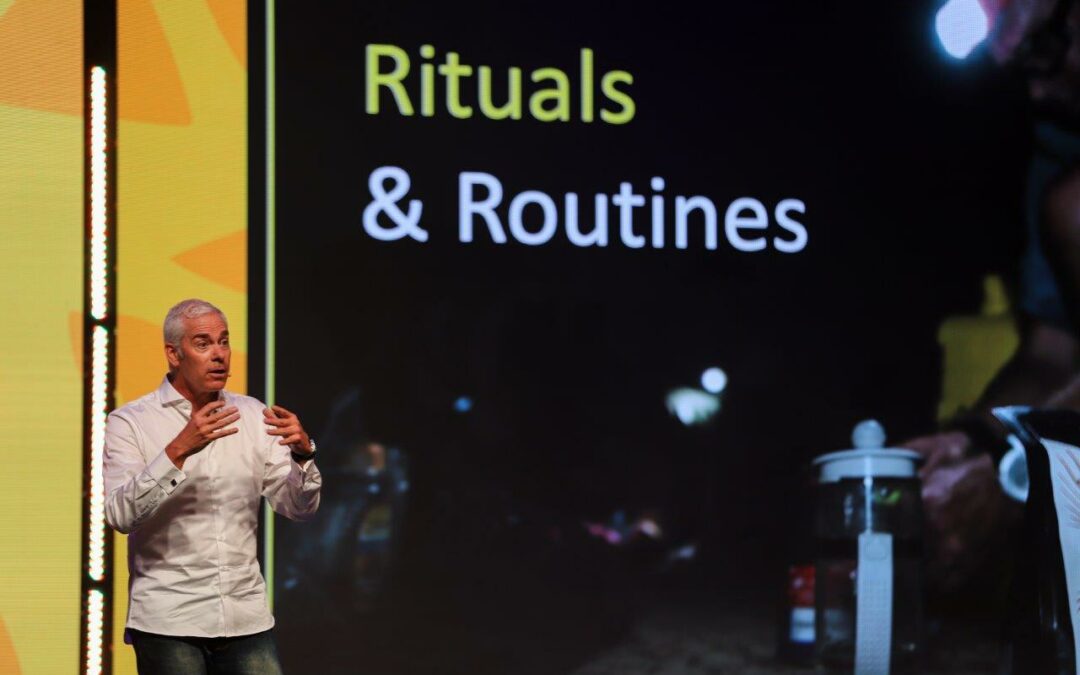
From Perks to Performance: A Behavioural Strategist’s Guide to Building a Magnetic Culture
In the modern workplace, a common misconception is that superficial perks are the primary drivers of employee engagement and retention. While catered lunches and office ping-pong tables may offer temporary enjoyment, they are ultimately fleeting and fail to address...

Elevating Sales Performance: A Behavioural Strategy for Sustainable Growth
High-performing sales cultures don’t push harder—they design smarter. In today's dynamic marketplace, the traditional 'hard sell' is becoming increasingly obsolete. High-performing sales organisations are not simply pushing harder; they are designing smarter. This...